
- 2
- 3
- 4
Carton Transfer Unit (CTU) Robots for Warehouse and Factory Automation
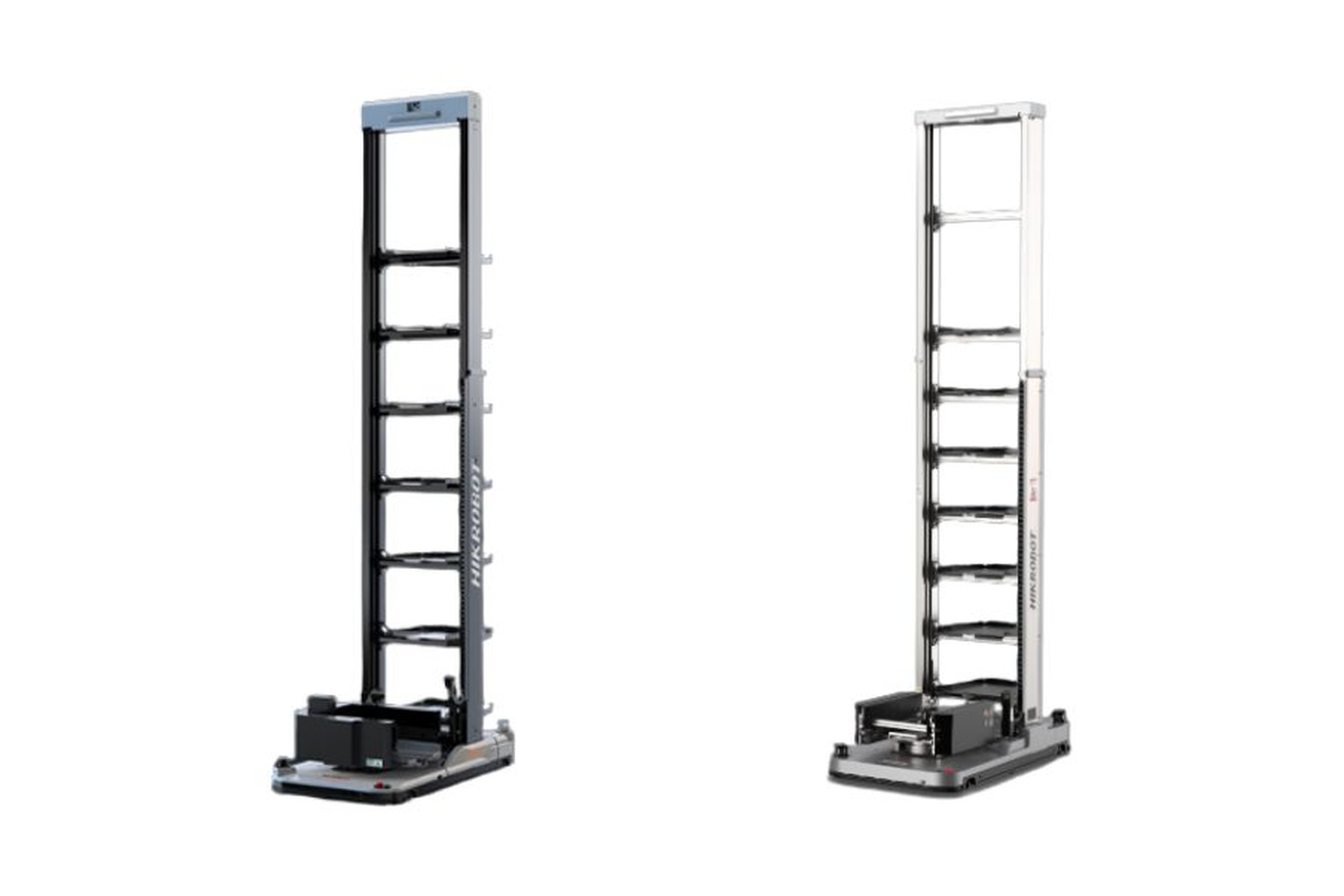
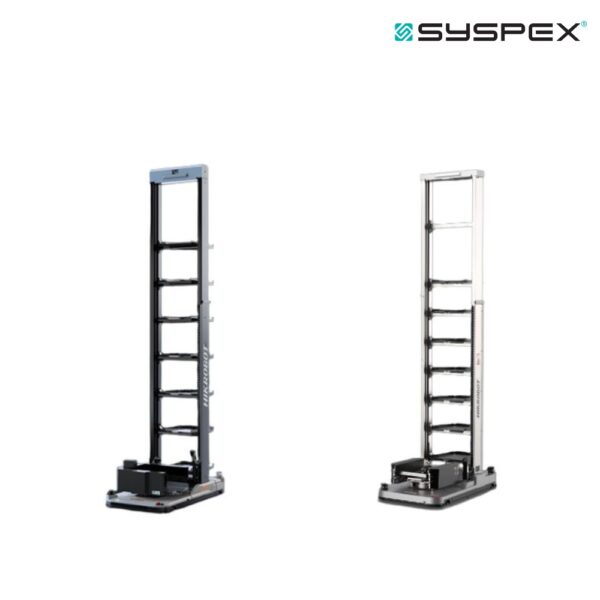
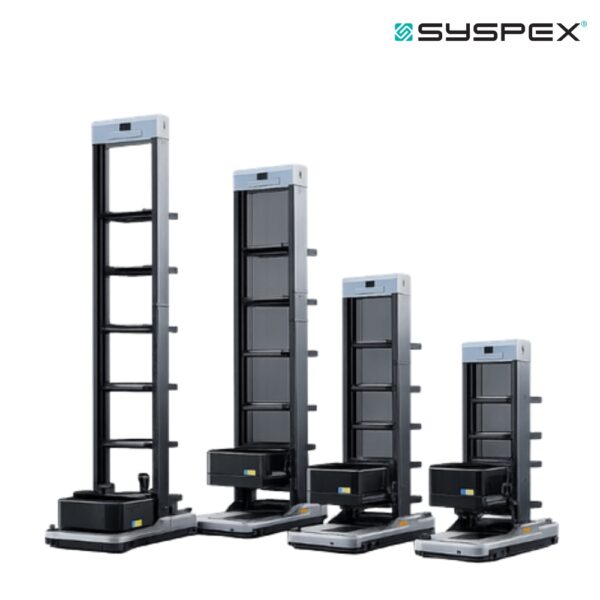
A Carton Transfer Unit (CTU) is an autonomous mobile robot that picks up, transports and places totes or cartons between storage racks, workstations and production equipment. Its lifting mechanism accesses multiple rack levels, helping warehouses use vertical storage space and reduce the distance operators walk during order picking.
In a tote-to-person picking system, CTU robots retrieve inventory totes and bring them to a picking station. In factories, they can deliver components to assembly lines, replenish flow racks or move trays between machines. The right configuration depends on the carrier, rack layout and number of loads the operation needs to move.
Which CTU Configuration Fits Your Operation?
Single-Cargo CTUs for Production-Line Replenishment
Single-cargo CTUs move one carrier at a time. They suit repeatable transfers between buffer racks, assembly stations and production equipment. The pickup attachment can be selected for the carrier, whether it is a tote, tray or specialised frame.
Multi-Cargo CTUs for Warehouse Picking
Multi-cargo CTUs carry several totes on onboard shelves. A robot can collect totes from several rack positions in one trip and deliver them to a picking station. This configuration suits warehouse operations where operators regularly need inventory from multiple storage locations to fill orders.
Single-Deep and Double-Deep Storage
Single-deep storage gives the robot direct access to each tote. Double-deep storage adds a second position behind the first, increasing storage capacity in the same rack face. When the front position is occupied, access to the rear tote requires an additional move. Consider how often each item is picked when deciding where to use double-deep storage.
Why Choose Syspex for CTU Automation?
Assess the Material Flow Before Selecting a Robot
We start with what needs to move, where it needs to go and how often. We review your loaded totes or cartons, picking heights, aisle clearances and peak transfer volumes to identify a configuration that fits your operation.Plan the Transfer Points Around Your Workflow
We review how the CTU will hand off loads at racks, conveyors, picking stations and production equipment. Where warehouse or production software is involved, we help define how tasks are issued, how completed moves are confirmed and how exceptions are handled.Support from Planning to Handover
Syspex supports solution planning, deployment coordination and operational handover. We help define what to validate during acceptance, including carrier compatibility, rack access and transfer performance under your expected operating conditions.Frequently Asked Questions
A Carton Transfer Unit is an autonomous mobile robot equipped to lift and transfer totes, cartons or other compatible carriers. It can collect a load from a rack and deliver it to a picking station, buffer rack or production machine.
The CTU retrieves an inventory tote and delivers it to a workstation. The operator picks the required items, and the system routes the tote back to storage or to its next destination.
Depending on the model and attachment, a CTU can handle plastic totes, cardboard cartons, trays and specialised carriers such as printed circuit board frames. Check the dimensions, weight and rigidity of the loaded carrier when choosing an attachment.
Existing racks may be suitable if shelf heights, clearances and tote positions match the robot’s handling requirements. A site assessment can also check aisle width, turning space and access to the highest and lowest pick positions.
Picking height and load capacity vary by model and attachment. When comparing specifications, check the robot’s total rated load and the actuator load, which tells you how much the handling mechanism can lift in one pickup.
Yes, if the deployment includes a compatible interface between the WMS and the robot control system. The integration can send storage and retrieval tasks, confirm completed moves and report exceptions such as an occupied rack position.
Prepare your carrier dimensions and loaded weights, rack layout, picking heights, aisle widths and peak tote movements per hour. Include the locations where carriers are picked up or dropped off and any systems that need to exchange task information with the robots.