
- 2
- 3
- 4

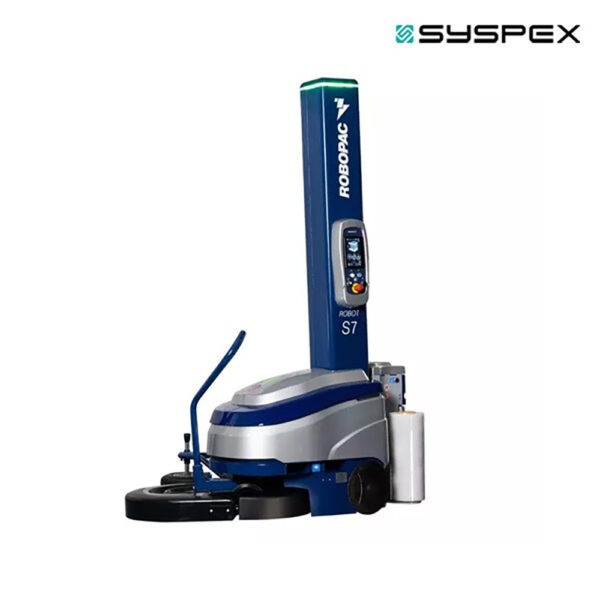
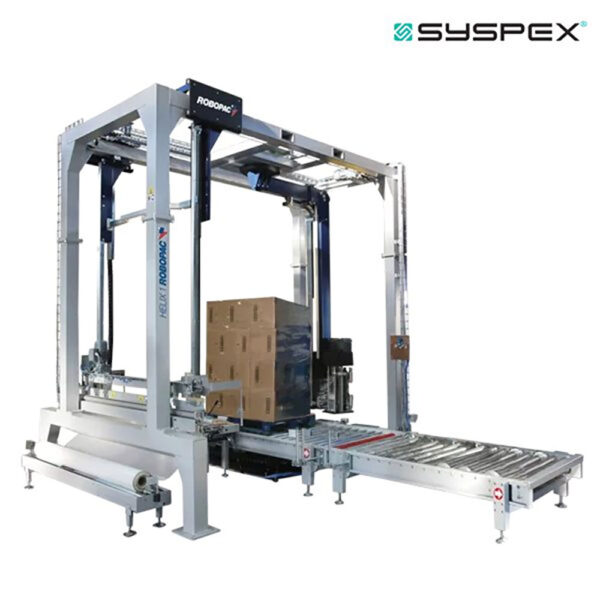
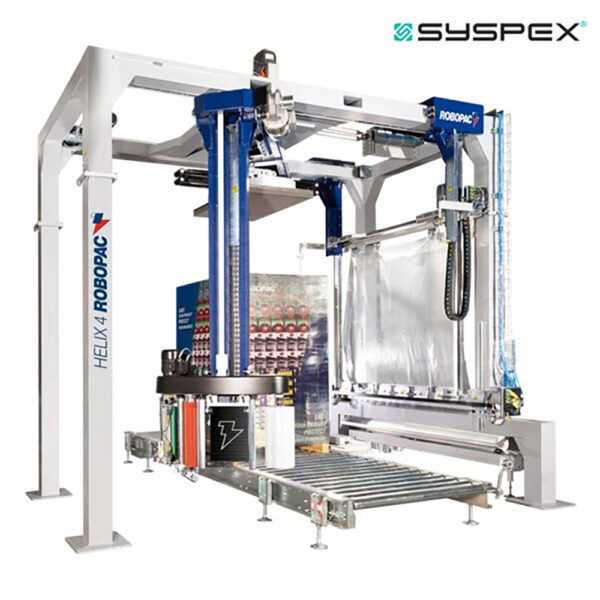
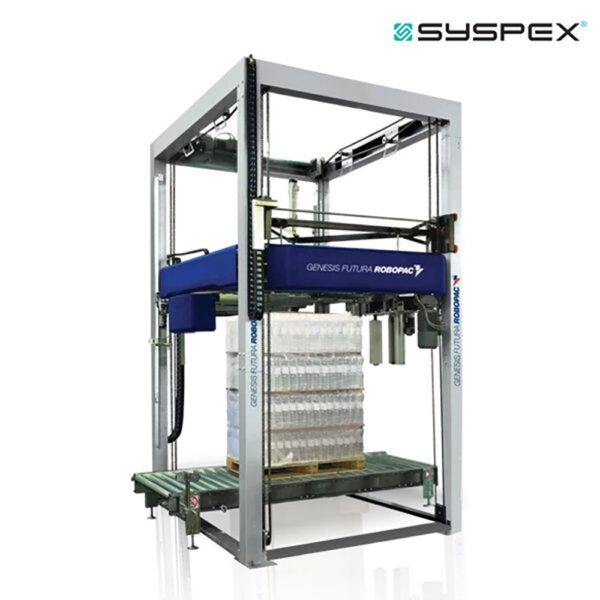

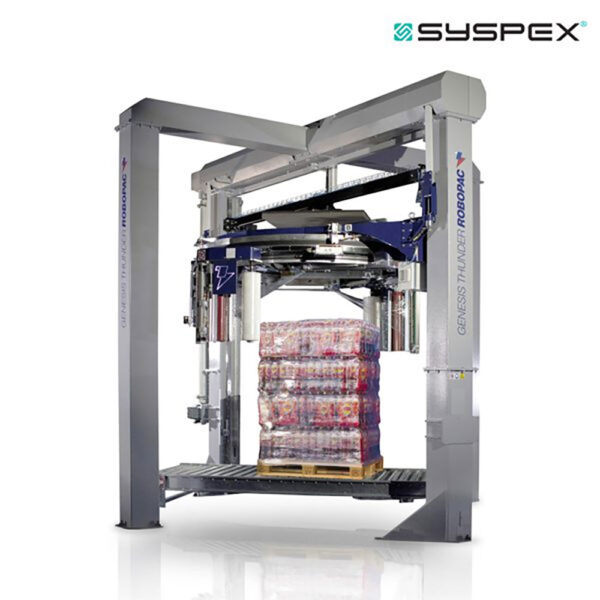


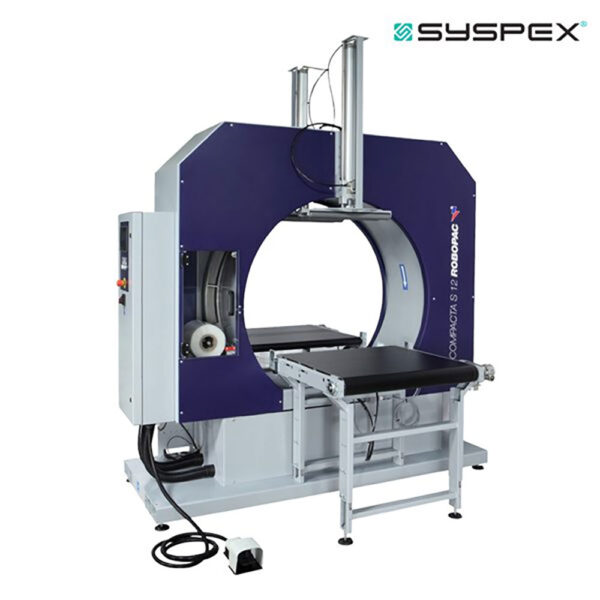


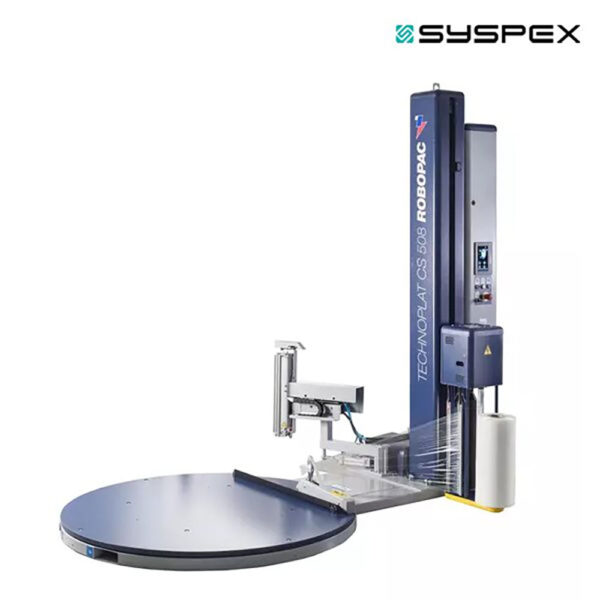
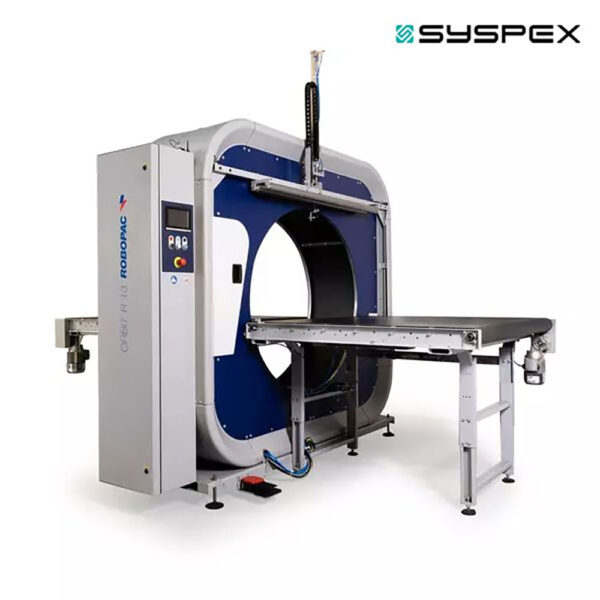
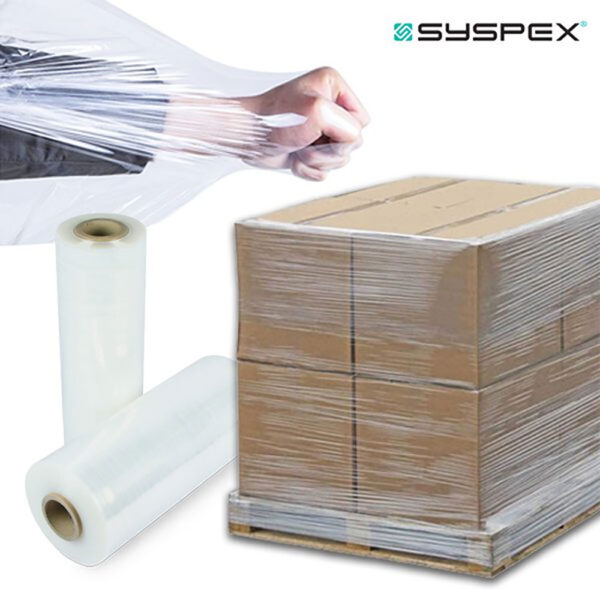
Applications of Stretch Wrapping Machine by Load Type and Industry
- Standard pallet loads: semi-automatic turntable machines
- Unstable, tall, or light loads: rotating arm, pallet stays stationary
- Oversized/long products (pipes, timber): horizontal wrapping machine
- Mixed-SKU outbound pallet: semi-automatic with adjustable wrap programs
Semi-Automatic vs Automatic Pallet Wrapping: Which Fits Your Throughput
Semi-Automatic Machines Suit …
- Moderate volume, operator-paced cycles
- Variable/flexible station use, smaller footprint
- Distributors, FMCG, or F&B producers with a dedicated operator
Automatic Machines Suit …
- High volume, fully automated, line-integrated cycles
- Consistent output across shifts, larger footprint
- E-commerce fulfillment, F&B, or 3PL where wrapping is a dispatch bottleneck
Beyond purchase price, factor in film usage, labor time, and downtime cost of an undersized machine. Validate final choice against load dimensions, shift pattern, and growth plans.
How to Select the Right Stretch Wrapping Setup
- Load profile: weight, dimensions, stability, daily pallet count
- Pre-stretch capability: up to 400% on the Robopac Rotoplat, 250% fixed on the Robopac Masterplat Plus; pair with the right stretch film for cost per pallet
- Safety: operator zones, load stability at cycle end, guarding for automatic lines
- Service readiness: spare parts availability and response time before sign-off
Why Choose SYSPEX for Stretch Wrapping Solutions
Assessment-Led
Load type, daily pallet volume, floor layout, and dispatch targets reviewed before any machine is recommended.
Recommendation
Machine type, pre-stretch setting, and configuration matched to your actual requirements.
End-to-End Implementation
Setup, initial wrap-parameter programming, and performance confirmation before handover.
After-Sales Support
Spare parts and technical support post-go-live; Rental & User Program available for seasonal peaks.
Syspex has been operating across Southeast Asia since 1992, with more than 30 years of experience in packaging, warehousing, and automation solutions, serving industries including food, logistics, and electronics across 11 regional offices.
Contact Syspex to request an operational review or machine-matching consultation.
Frequently Asked Questions
A stretch wrapping machine secures palletised loads with stretch film under consistent tension, preventing load movement during storage and transport. By automating the wrapping cycle, it applies uniform containment force across every pallet: reducing load shift, product displacement, and transit damage compared to manual wrapping.
The key difference between semi-automatic and automatic pallet wrapping machines is the level of operator involvement required at each stage of the wrap cycle.
- Semi-automatic: An operator manually attaches the stretch film, initiates the wrapping cycle, and cuts the film at the end. Cost-effective for lower-volume lines where flexibility matters more than speed.
- Automatic: The machine handles film attachment, wrapping, welding, and cutting without manual input. Built for high-throughput, end-of-line integration where consistent output and minimal labour dependency are the priority.
The right choice depends on pallet volume, line speed, and available labour. Syspex supplies both configurations from Robopac, with local support in Singapore, Malaysia & Indonesia.
A pallet wrapper reduces film cost through pre-stretch technology, which extends stretch film by 200% to 300% before application, meaning each roll covers more pallets than manual wrapping at the same containment force.
- Pre-stretch ratio: Film is extended before it contacts the load, increasing yield per roll
- Tension and carriage speed control: The machine applies the right amount of film per pallet, removing over-wrapping and under-wrapping
- Consistent wrap overlap: Removes film waste from incorrect operator application
- Lower rewrap rates: Consistently wrapped loads fail less in transit, cutting the cost of correcting unstable pallets
For high-volume operations, the reduction in film consumption across a full year typically offsets the machine cost.
Stretch wrapping machines cut operator injury risk by removing the need to bend, pull film under tension, and walk backwards around pallets, physical actions that contribute to repetitive strain injuries and musculoskeletal disorders over time. On the consistency side, automated settings apply the same containment force, carriage speed, and wrap overlap every cycle, keeping loads stable during forklift transfer, racking, and long-haul transit regardless of shift or operator.
A warehouse should upgrade to an automatic stretch wrap machine when manual wrapping becomes a bottleneck affecting throughput, labour costs, or load quality at scale. Common upgrade triggers include:
- Daily pallet output at the shipping dock regularly exceeds what manual or semi-automatic wrapping can handle during peak shifts.
- High staff turnover or rising labour costs make per-pallet wrapping costs harder to justify.
- Recurring product damage claims or transit losses point to inconsistent wrap quality between operators.
- A production line expansion or warehouse relocation is planned and end-of-line capacity needs to match new throughput.
- Predictable film material costs are a priority. Automatic machines with pre-stretch control deliver consistent film consumption per pallet regardless of operator.
Syspex offers automatic stretch wrap machines from Robopac with local assessment and technical support in Singapore, Malaysia & Indonesia.
The right stretch wrapping machine depends on pallet volume, load stability, and required operator involvement. A practical selection starts with your daily and peak-hour pallet output, then checks load profile, floor layout, and film control requirements so the machine fits your operation instead of forcing process changes. For system-fit planning, many teams review Syspex’s automation and engineering capabilities.
Total operating cost is driven more by labour time, film efficiency, and uptime impact than by machine price alone. Semi-automatic systems can be cost-effective at lower and variable volume, while automatic systems usually perform better when throughput is consistently high and wrap quality must stay uniform across shifts. The better choice is the one that matches real operating volume and dispatch pressure.
Buying a pallet wrapping machine requires evaluating both technical fit and local support readiness. The machine specification and the supplier's after-sales capability matter equally:
- Machine type: Determine whether a semi-automatic turntable, rotary arm, or inline automatic wrapper matches your load profiles, throughput volumes, and floor layout
- Throughput alignment: Confirm rated machine output against peak daily pallet volumes, not average demand
- Local service and parts: Validate technical service response time and spare parts availability within Singapore, Malaysia & Indonesia; unplanned downtime directly disrupts supply chain operations
- Commissioning scope: Confirm what installation, calibration, and testing is included before handover
- Operator safety training: Confirm structured training is part of the purchase scope, not a post-purchase add-on
- Pre-purchase consultation: If end-of-line requirements are still being mapped, a packaging and warehousing consultation is a useful starting point before committing to a machine type
Syspex positions this offer as a solutions-led deployment, including machine matching to operational needs and local support planning in Singapore, Malaysia & Indonesia. For scope details, you may contact Syspex for more information.
Whether to buy, rent, or phase in stretch wrapping equipment depends on capital allocation preference, volume predictability, and how quickly the operation needs to be running:
- Buy: Lowest total cost of ownership for stable, high-volume operations with confirmed long-term throughput demand; the right CAPEX decision when volume requirements are predictable
- Rent: Converts capital expenditure to a predictable operational cost; suited to variable demand, seasonal peaks, or operations wanting to avoid asset ownership and the risk of holding outdated equipment as technology develops
- Phase: Reduces execution risk when scaling line by line; allows teams to validate throughput at each stage before committing to the next machine
Rental programmes for industrial stretch wrapping are less common than outright purchase. Syspex offers a full-service stretch wrapper rental covering maintenance, repairs, and standard wear and tear.