

- 2
- 3
- 4


Matching the Forklift Safety System to the Risk
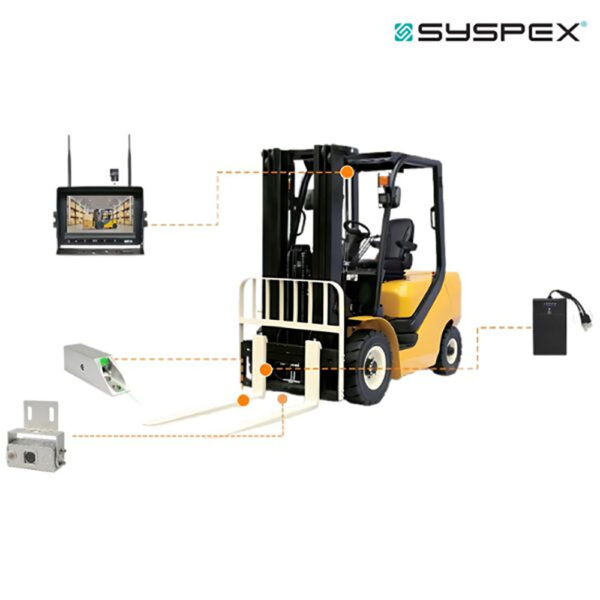
Most facilities end up running more than one of these forklift safety system, since each covers a different blind spot.
- Blind corners and pedestrian crossings: ProxiAlert’s proximity alerts, or RadarEye’s warning light if the area is noisy
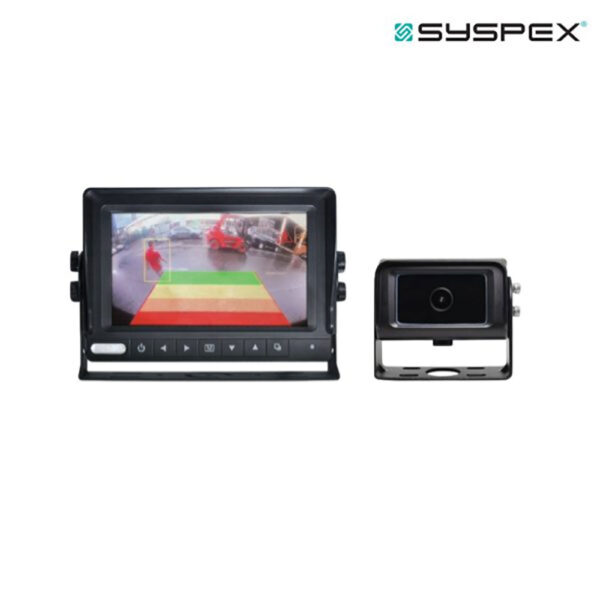
- Tight aisles with a lot of foot traffic: SmartVision, since it flags people the driver might not clock in time
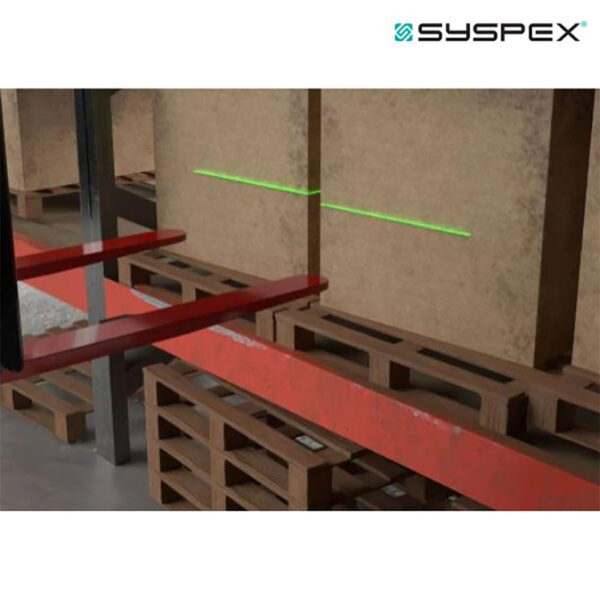
- High racking or deep pallet positions: ForkEye, for getting the fork tips in cleanly
- Sites that want the pedestrian to also get a warning, not just the driver: ProxiAlert’s wearable tags
How to Choose the Right Forklift Safety Setup
- Identify where accidents (or near misses) tend to happen: blind corners, crossings, and pedestrian density across the facility.
- List your operating conditions: aisle width, racking height, and lighting levels.
- Determine your coverage goal: Whether you need rear warning, forward detection, alignment help, or a mix of the system.
- Decide the rollout scale: Whether you’re starting with one high-risk zone or rolling out across the whole site
A site visit and assessment tell us more than a spec sheet does, it’s worth doing this before locking in a setup. Contact SYSPEX to request for your site assessment now.
Our Forklift Safety Delivery Process
SYSPEX doesn’t start with a product, we start with a walk-through: how forklifts move through your site, where pedestrian traffic is heaviest, and where near misses tend to happen. From there, we recommend the system (or combination) that actually fits your workhouse.
1. Site Assessment
We walk the floor with you to identify blind corners, pedestrian crossings, aisle width, racking height, and where near misses tend to happen.
2. System Design
We work out which systems cover which risk points: ProxiAlert, SmartVision, RadarEye, ForkEye, on their own or combined; before anything’s ordered.
3. Equipment Selection
Hardware matched to each zone, not one product picked for the whole site.
4. Installation & Commissioning
Units mounted and tested on-site, alerts checked before we sign off.
5. Training & Post-Installation Service
Operators walked through the setup, with spare parts and support through our local branches.
Why Choose Syspex as Your Forklift Safety Partner
Recommendations Based on Your Site
Not tied to one product. What we recommend depends on your traffic pattern, blind spots, and racking height, not a default package.
Coverage That Grows With You
Start with one high-risk zone and add on as needed. The four systems are built to work alone or together.
Local Presence and Service Continuity
SYSPEX operates across Kuala Lumpur, Penang, Johor Bahru, and Melaka for post-installation support.
30+ Years Across Southeast Asia
Trusted by manufacturers across sectors including logistics, food and beverage, and e-commerce operators managing forklift traffic every day.
Learn more about SYSPEX, or contact SYSPEX to walk us through your site and get a setup recommendation.
Frequently Asked Questions
A forklift proximity warning system detects when pedestrians, equipment, or other assets enter a risk zone around a moving forklift and triggers audio and visual alerts before contact occurs. Systems typically use Ultra-Wideband (UWB) or Vision AI sensors to cover blind corners, loading bays, and shared warehouse aisles, giving operators and pedestrians time to react.
A forklift warning system alerts operators and pedestrians so they can take corrective action; while a collision avoidance system goes further by triggering automated vehicle intervention.
- Forklift warning system: Focuses on situational awareness; issues audio and visual alerts so operators and pedestrians can react manually; easier to deploy across mixed fleets with minimal modification to existing vehicles.
- Collision avoidance system: Adds automated vehicle intervention when a set proximity threshold is reached; examples include forced speed reduction and electronic braking control; requires more integration work and operational acceptance from the workforce.
Many facilities start with warning based systems as their safety baseline, then scale to automated intervention when traffic density or risk assessments require it. The right fit depends on traffic volume, visibility conditions, braking distances, and workforce acceptance of automated controls.
A forklift proximity detection system helps reduce warehouse accidents by providing early warnings when pedestrians, forklifts or other equipped assets come too close, allowing operators and pedestrians to react before a potential collision.
- Early Warning Detection: The system monitors a defined detection zone around the forklift and activates audio and visual alerts when a potential collision risk is detected.
- Reduced Near-Miss Risks: Early alerts help operators and pedestrians take preventive action, reducing the likelihood of collisions and near-miss incidents.
- Workplace Safety Compliance Support: Proximity detection supports workplace risk management and safety measures aligned with applicable occupational safety and health requirements in Singapore, Malaysia and Indonesia.
- Improved Safety Procedures: When combined with proper training and standard operating procedures (SOPs), the system encourages consistent safety practices across warehouse operations and work shifts.
Most forklift warning systems include three components: a vehicle mounted unit with proximity sensors, warning lights, and audible alarms; wearable pedestrian tags or transponders that communicate with the vehicle unit; and fixed alert points: sirens or floor light projectors, installed at intersections and blind spot areas. Together, these create layered warnings across forklift routes and shared walkways.
Yes. Most forklift warning systems are designed for retrofitting across common forklift classes, including electric reach trucks, counterbalanced forklifts, diesel container handlers, and stackers. Compatibility depends on power supply setup, available mounting space, and site operating conditions, so a technical assessment is recommended before installation. This makes it practical for operations managing mixed fleets to run the same proximity warning protocol across vehicles of different types.
Any facility where forklifts and pedestrians share floor space stands to benefit from forklift warning systems, particularly warehouses, distribution centres, manufacturing plants, and e-commerce fulfilment hubs. Sites with narrow aisles, blind intersections, frequent loading activity, or operations running multiple shifts face the highest risk exposure. Across South East Asia industrial zones, these conditions are common across both large scale logistics hubs and smaller production facilities.
Before installing a forklift safety system, five key areas should be reviewed to ensure the solution is suitable for the warehouse environment and daily operations.
- Workplace Safety Requirements: Review existing safety risks and applicable occupational safety and health requirements to identify areas that need additional safety measures.
- Traffic Flow Mapping: Assess forklift routes, pedestrian walkways, blind spots, crossing points and high-traffic areas to identify potential collision risks.
- Fleet Compatibility: Check whether the safety system can be installed on existing forklifts, including power supply, mounting positions and vehicle types.
- Alarm Visibility and Audibility: Evaluate warehouse noise levels, lighting conditions and operational activities to ensure warning signals can be clearly seen or heard.
- Safety Procedures and Training: Establish clear response procedures when alerts are triggered and ensure forklift operators and pedestrians understand the required safety actions.
Contact SYSPEX for a free site assessment to identify suitable forklift safety solutions for your warehouse.