GET A QUOTE
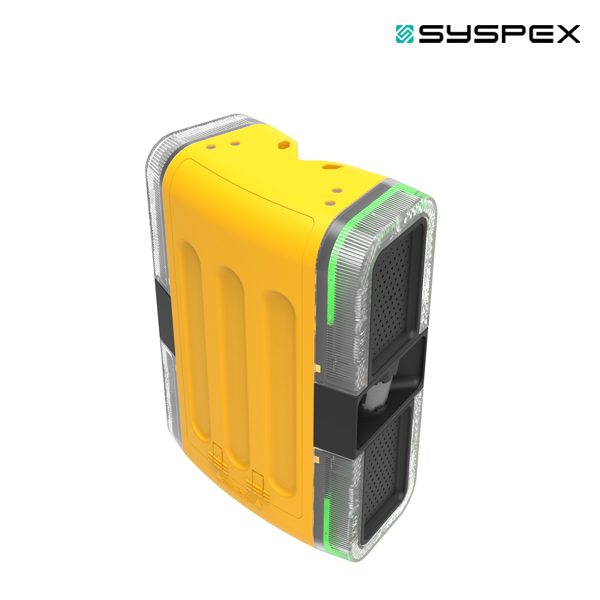
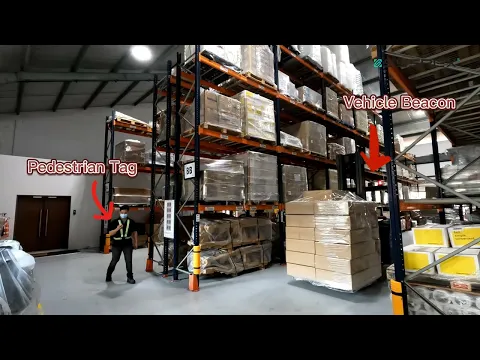
→SysGuard ProxiAlert is the Anti Collision Proximity Sensor Alarm System precisely measures the distance to reduce the risk of the vehicle colliding in industrial or similar places. This avoidance system has not only alarming devices but also wearable devices. uses the latest technology to significantly reduce the risk of collision between moving vehicles and pedestrians in the workplace.

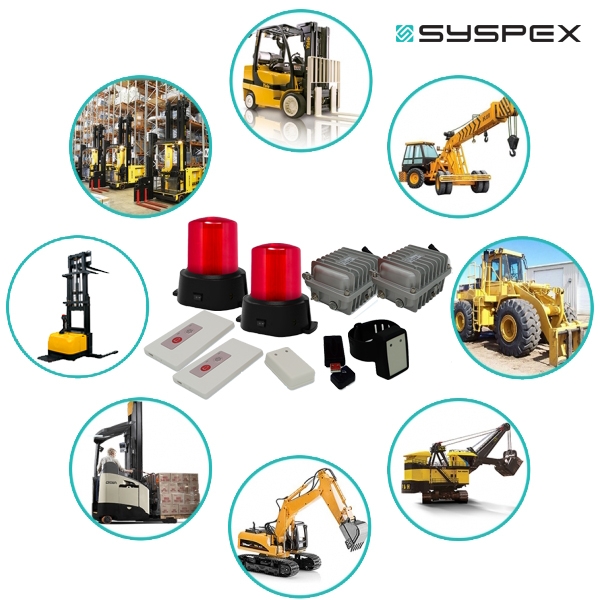
The main components of the SysGuard ProxiAlert are based on the following components:-
Suitable to be deployed at entrances and corners
Suitable to be equipped on moving vehicles such as forklifts
Different forms of TAG, including Card, Helmet, and Watch forms


A forklift proximity warning system detects when pedestrians, equipment, or other assets enter a risk zone around a moving forklift and triggers audio and visual alerts before contact occurs. Systems typically use Ultra-Wideband (UWB) or Vision AI sensors to cover blind corners, loading bays, and shared warehouse aisles, giving operators and pedestrians time to react.
A forklift warning system alerts operators and pedestrians so they can take corrective action; while a collision avoidance system goes further by triggering automated vehicle intervention.
Many facilities in Malaysia start with warning based systems as their safety baseline, then scale to automated intervention when traffic density or risk assessments require it. The right fit depends on traffic volume, visibility conditions, braking distances, and workforce acceptance of automated controls.
A forklift proximity detection system reduces warehouse incidents by issuing early alerts before a forklift and pedestrian reach impact distance:
Most forklift warning systems include three components: a vehicle mounted unit with proximity sensors, warning lights, and audible alarms; wearable pedestrian tags or transponders that communicate with the vehicle unit; and fixed alert points: sirens or floor light projectors, installed at intersections and blind spot areas. Together, these create layered warnings across forklift routes and shared walkways.
Yes. Most forklift warning systems are designed for retrofitting across common forklift classes, including electric reach trucks, counterbalanced forklifts, diesel container handlers, and stackers. Compatibility depends on power supply setup, available mounting space, and site operating conditions, so a technical assessment is recommended before installation. This makes it practical for Malaysian operations managing mixed fleets to run the same proximity warning protocol across vehicles of different types.
Any facility where forklifts and pedestrians share floor space stands to benefit from forklift warning systems, particularly warehouses, distribution centres, manufacturing plants, and e-commerce fulfilment hubs. Sites with narrow aisles, blind intersections, frequent loading activity, or operations running multiple shifts face the highest risk exposure. Across Malaysian industrial zones, these conditions are common across both large scale logistics hubs and smaller production facilities.
Before installing a forklift safety system, five areas should be reviewed: regulatory obligations, traffic flow, fleet compatibility, alarm audibility, and response planning.
Contact Syspex for a no cost site assessment to verify implementation fit.
Choosing the right forklift safety system starts with mapping your site’s traffic patterns, high risk zones, and workforce movement, then matching the detection technology to real operating conditions.
Contact Syspex for a site assessment to evaluate fit across all four criteria.
When a pedestrian enters the detection zone around a moving forklift, SYSGUARD ProxiAlert triggers alerts on both sides simultaneously. The forklift operator receives visual warning lights and an audible alarm on the vehicle unit. The pedestrian’s wearable tag vibrates and sounds an alert, cutting through ambient noise. Alerting both the operator and pedestrian at the same time reduces missed warnings across shared zones in Malaysian warehouses and production facilities.
Syspex provides full after-sales coverage for forklift collision warning systems in Malaysia, from installation through to ongoing system maintenance: