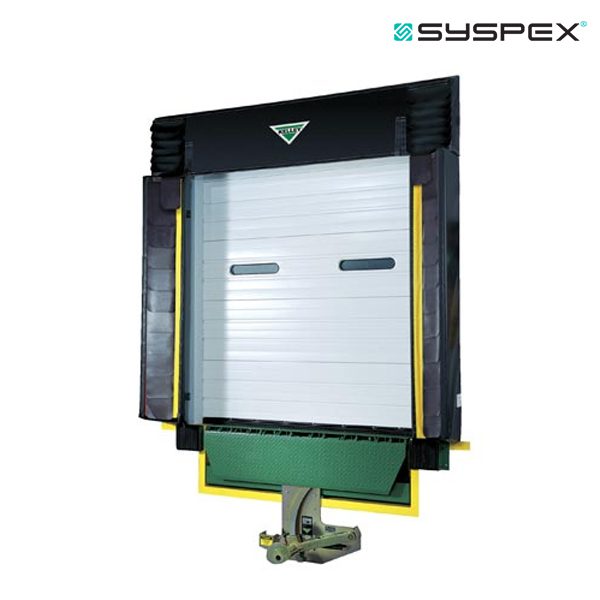
Our hydraulic dock leveller systems improve efficiency, energy savings, and profitability at your Malaysian facility. Built for reliable, seamless loading dock performance day after day.


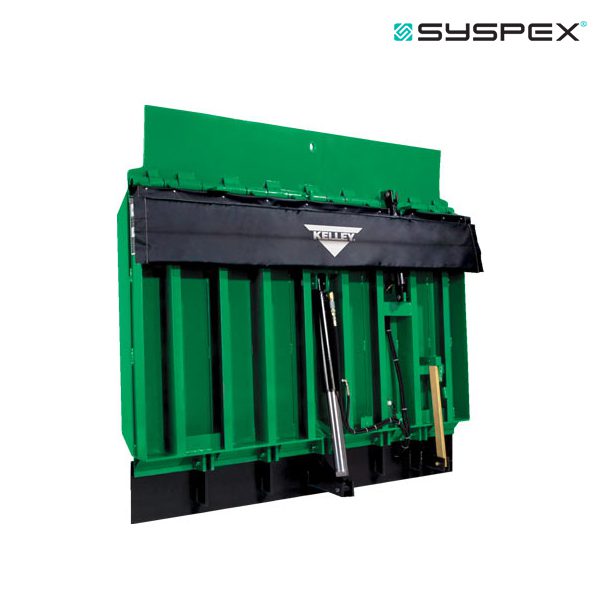
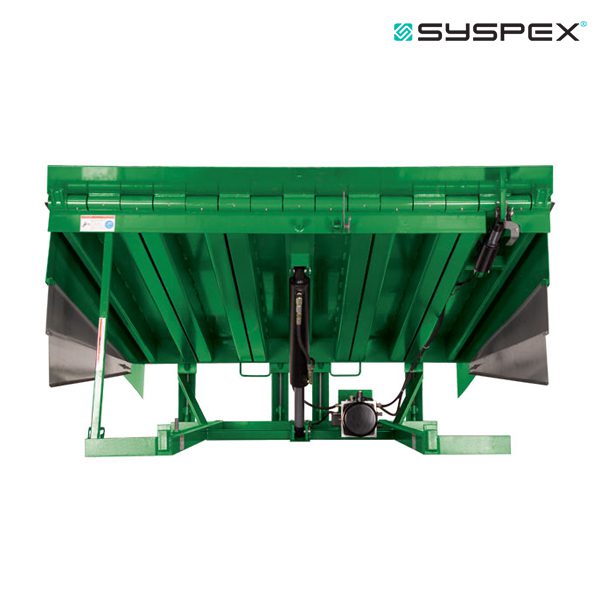

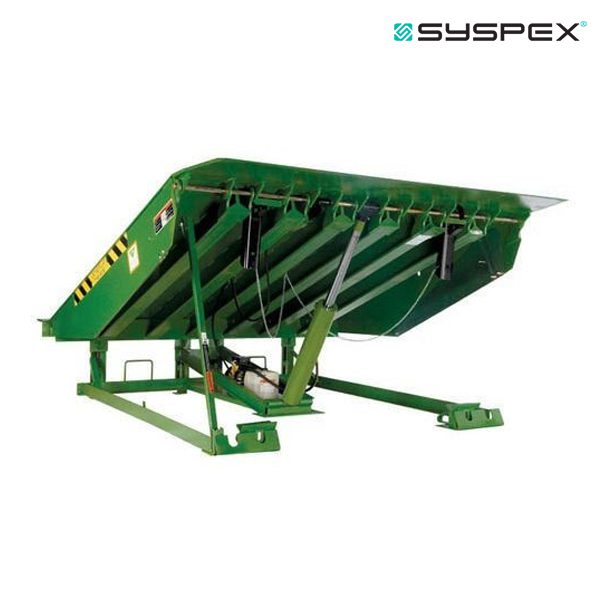


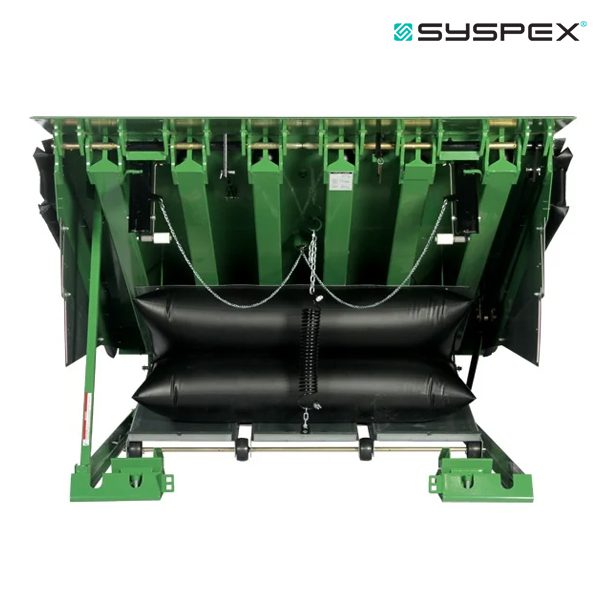


A dock leveller bridges the height gap between a loading bay and a truck bed so forklifts can move goods safely and quickly. It helps reduce loading delays, manual handling risk, and product damage during transfer.
The common types are hydraulic, mechanical, air-powered, and edge-of-dock. Hydraulic suits higher throughput, mechanical is often chosen for lower-duty use, air-powered supports specific operating needs, and edge-of-dock is used where pit installation is limited.
Yes. A correctly specified dock leveller creates a more stable transition between dock and vehicle, which helps reduce sudden level differences that can cause handling incidents. Safety outcomes still depend on training, maintenance, and SOP compliance.
Installation timeline depends on bay condition, civil works scope, and model type. If pit preparation and electrical readiness are complete, installation is usually faster; retrofit or structural adjustments can take longer. Confirm project timeline after technical review and site conditions are assessed.
A full loading dock system is usually the better route when the facility also needs environmental control, contamination control, or tighter bay coordination. In those cases, dock levellers should be planned together with seals and shelters, and reviewing Syspex dock shelter solutions helps teams assess system-level fit.
You should choose based on daily truck volume, load profile, and operating consistency. Hydraulic dock leveller systems are typically preferred for frequent cycles, while mechanical units can fit lighter-duty operations with lower upfront spend. Comparative lifecycle claims should be validated per model.
A reliable total cost review should go beyond equipment price and include installation scope, planned maintenance, downtime risk, and the effect on truck turnaround. Teams that need a broader operational review can start with Syspex’s packaging and warehousing consultation to align dock leveller selection with overall facility goals.
Procurement gets better recommendations when it shares truck height variation, daily loading cycles, load and forklift profile, bay dimensions, and any cold-chain or hygiene constraints upfront. This allows suppliers to propose dock leveller options that match real operating conditions instead of generic model comparisons.
A strong shortlist compares how well each provider assesses site requirements, explains fit-for-purpose recommendations, and supports implementation after handover. Decision-makers should also check whether the provider can connect dock projects with wider workflow improvements through automation and engineering services.
Post-installation performance depends on strong commissioning, clear operator handover, preventive maintenance planning, and responsive fault support. These factors have direct impact on uptime and lifecycle cost, so teams should confirm service scope early, including access to spare parts and technical support.
A dock leveller is a mechanical bridge between the loading bay floor and the truck bed. No makeshift ramps or unsafe gap-bridging.